Balancing rapid modernization and urban density with the preservation of its deep architectural and cultural roots, Japan has pioneered advanced legal and institutional frameworks. The documents in this series bring together foundational national strategies and practical, local case studies to offer researchers and urban planners a comprehensive view of how Japan maintains its living history.
The foundational approaches of Japan's preservation strategy are illustrated through two key policy documents. The guide on Japan's Heritage Conservation outlines the country's legal architecture, structural categorization, and administrative systems for safeguarding cultural properties.
Complementing this framework, the Blueprint for Conservation explores the forward-looking vision of integrating preservation with sustainable urban development, local economic vitality, and community engagement, providing a strategic roadmap for balancing preservation with progress.
To see these national frameworks in action, the series features four local case studies exploring diverse preservation challenges:
- Kyoto: Focuses on managing historical preservation within a major, functioning metropolitan center, balancing heavy tourism with local community life.
- Ogaki: An exploration of how Ogaki's traditional festivals have been leveraged to preserve intangible heritage, revitalize community life, and enhance cultural diplomacy.
- Imai-cho: Details the delicate process of safeguarding a highly concentrated cluster of traditional Edo-period merchant townhouses (machiya).
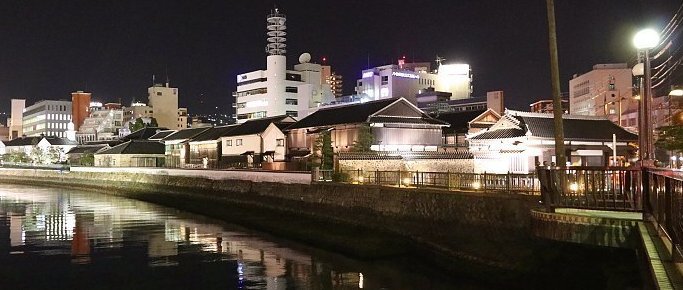
- Dejima: Chronicles the historic reconstruction and preservation of Nagasaki's man-made island trading post, showcasing the recovery of "historical memory".
Together, these resources demonstrate how macro-level policies effectively translate into micro-level actions, offering valuable insights for heritage management worldwide.


Highlights of
GDRC Research
|
 Urban Heritage Strategies of Japan: Lessons for Countries in the Asia Pacific Region
Case Study Series E-209
.
This document provides a comprehensive overview of Japan's national architecture for safeguarding its cultural assets. It details the legal, administrative, and institutional frameworks that govern the country's preservation efforts, illustrating how national legislation categorizes tangible and intangible cultural properties to ensure their long-term protection.
|
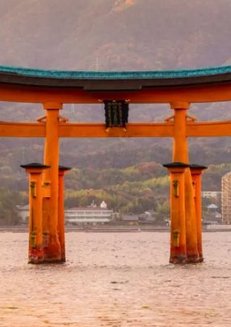 Japan's Heritage Blueprint: Four Pillars of Continuity and Resilience
Policy Analysis Series C-120
Serving as a forward-looking roadmap, this document explores the strategic integration of heritage preservation with sustainable urban development and community renewal. It outlines the master planning processes and visionary guidelines needed to balance economic growth and modernization with the sensitive protection of historical environments.
|
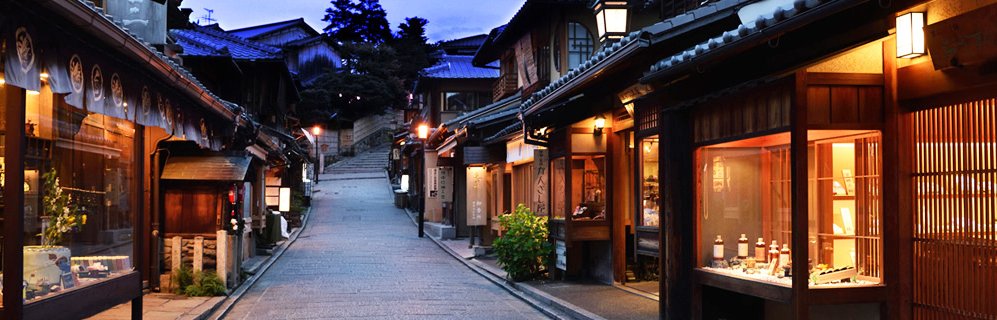
Conservation and Preservation in Planning Processes: Historical Districts of Kyoto, Japan
Case Study Series E-164.
This case study examines the complex challenges of managing cultural preservation within a major, bustling modern city. It highlights Kyoto�fs dual task of safeguarding world-renowned historical sites and traditional neighborhood fabrics while simultaneously accommodating heavy global tourism and the infrastructure demands of a living city.
|
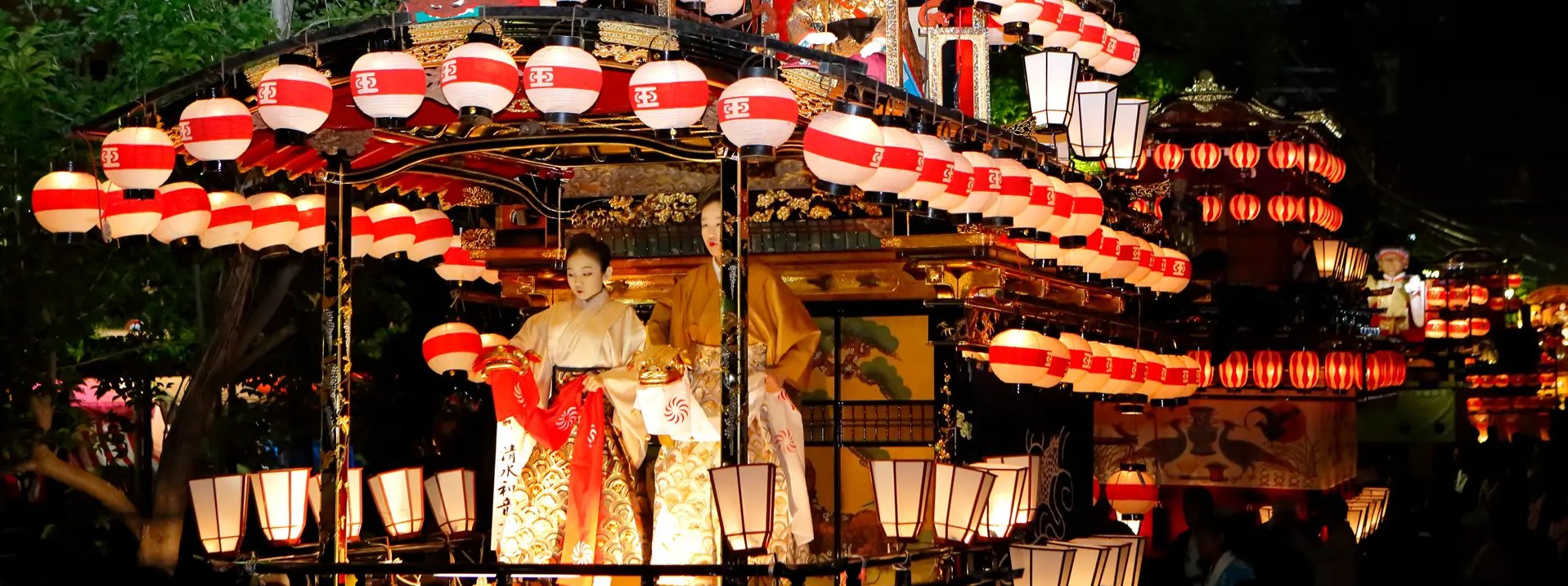
Cultural Diplomacy: Heritage Conservation and the Festivals of Ogaki, Japan
Case Study Series E-184.
A case study of how the city of Ogaki, in Gifu prefecture in Japan, has used traditional festivals and intangible cultural heritage to achieve a number of objectives: strengthen community identity, foster civic participation, and promote cultural diplomacy in the face of declining population rates, deurbanization and social change.
|
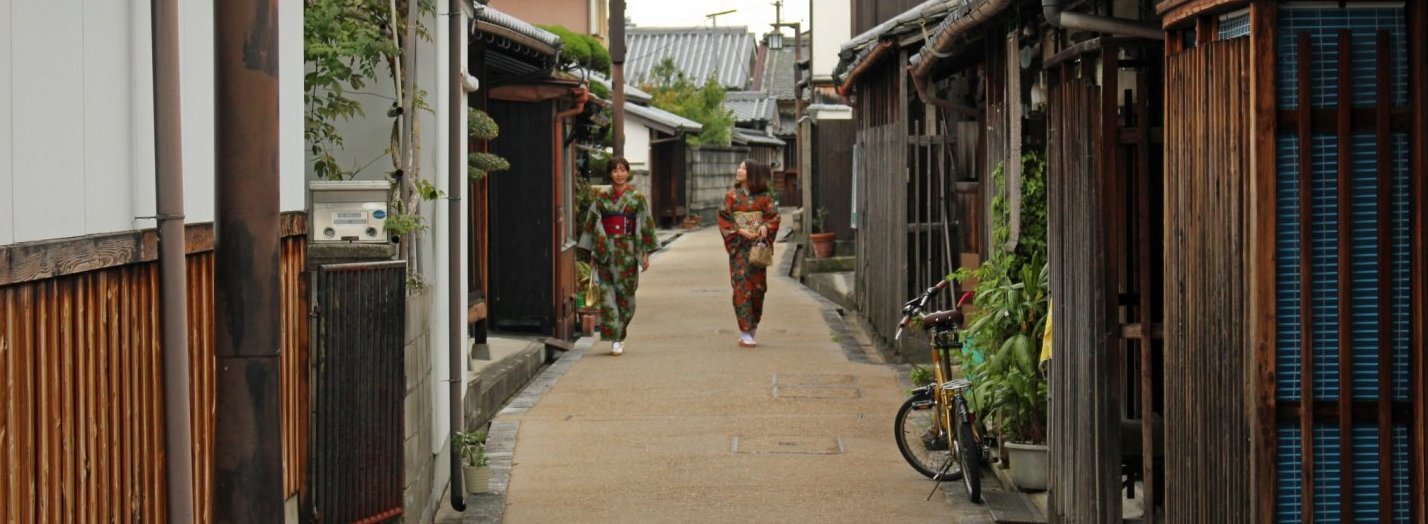
Mediation for Urban Cnservation: The Case of Imai-cho, Japan
Case Study Series E-048.
This document details the sensitive conservation efforts in Imai-cho, home to one of Japan's most concentrated clusters of traditional Edo-period merchant townhouses (machiya). The study highlights local community initiatives and architectural preservation techniques used to maintain the authenticity of a historic district while adapting it for modern residential use.
|
Reconstructing Memory, Rebuilding Identity: Dejima
Policy Analysis Series C-120
This case study chronicles the ambitious, long-term reconstruction project of Nagasaki's historic artificial island trading post. It illustrates how meticulous archaeological research and historical restoration can revive an isolated site, bringing to life Dejima�fs unique legacy as Japan's sole window to the Western world during its period of national isolation.
|
|
|
This is a continuing series of GDRC outputs under its Urban Heritage programme. More outputs are anticipated in the future. If you would like to see related issues to be addressed in future publications, please do get in touch with us at the email listed below!
|
