GDRC Policy Trends D-016.
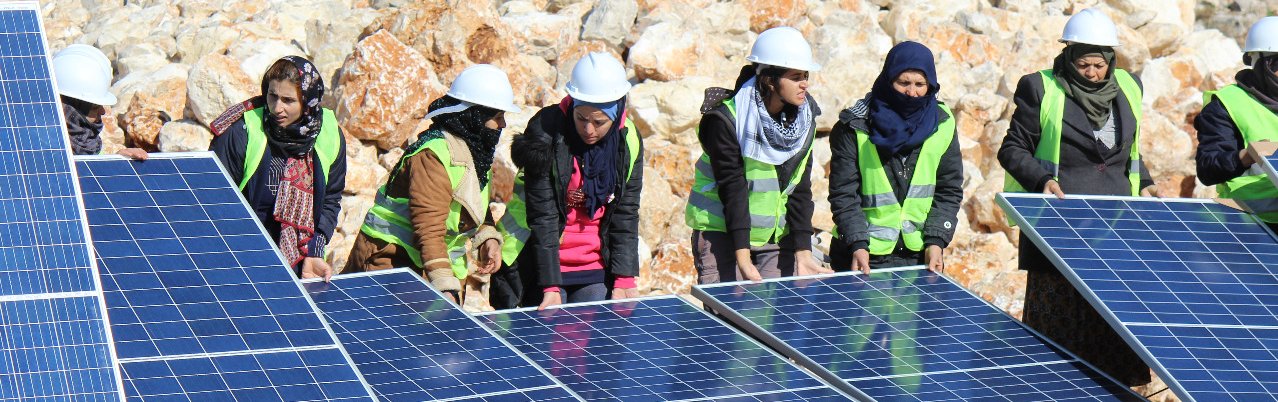
Safe urban spaces: Investigating how urban planning can contribute to the creation of safe public spaces for women, addressing issues such as lighting, design, accessibility, and the presence of social support systems.
|

GDRC Policy Trends D-017.
Mobility and transportation: Analyzing how urban transportation systems can be designed to enhance women's mobility and safety, considering factors such as access to public transport, last-mile connectivity, and addressing harassment and security concerns.
|
GDRC Policy Trends D-018
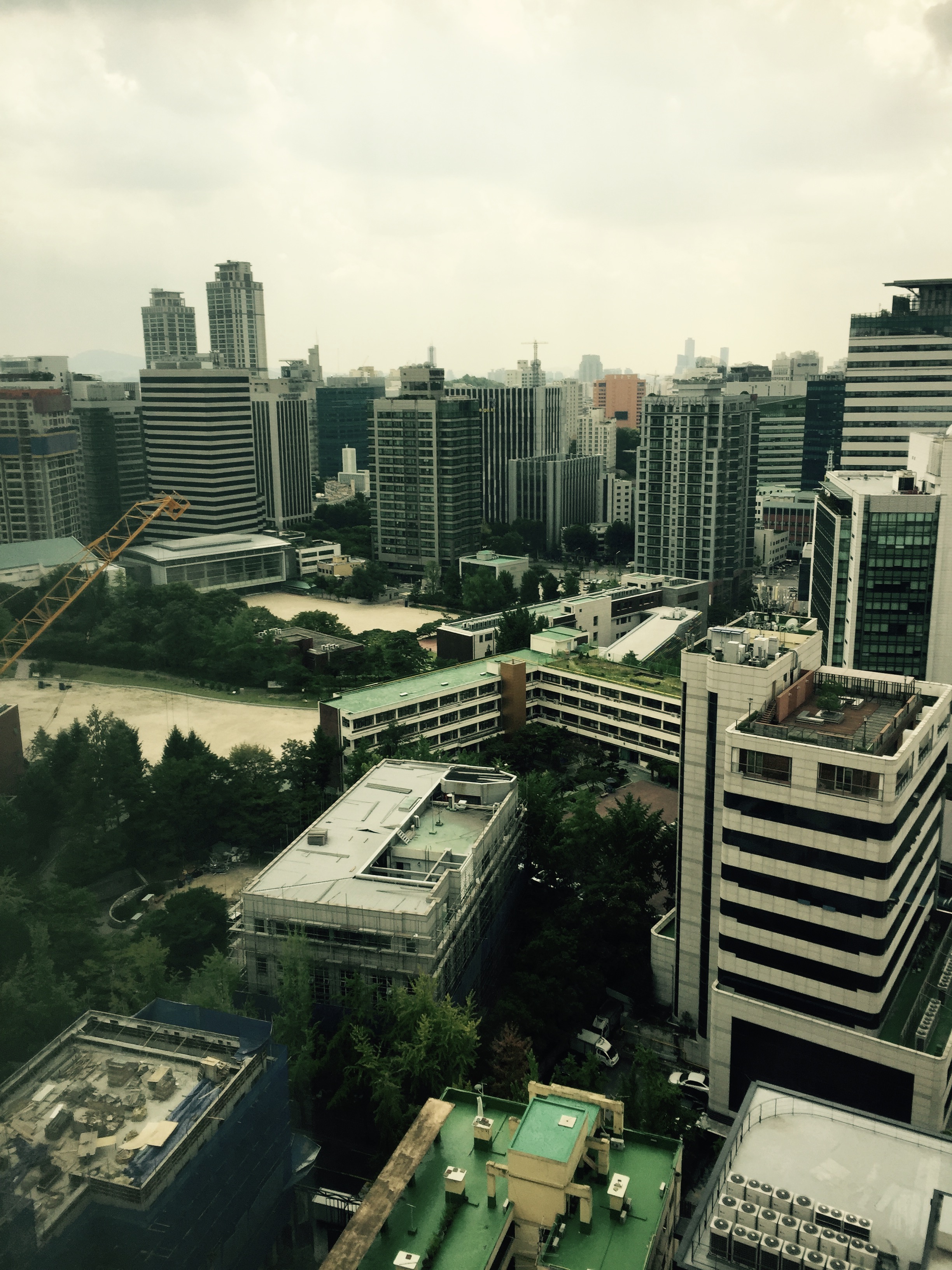
Housing and infrastructure: Exploring how urban housing policies and infrastructure development can address the specific needs and vulnerabilities of women, including affordable housing options, access to sanitation facilities, and childcare facilities.
|

GDRC Policy Trends D-019
Economic opportunities: Examining how urban planning can support women's economic empowerment by promoting inclusive economic development, access to job opportunities, and entrepreneurship support.
|

GDRC Policy Trends D-020
Participatory processes: Investigating the importance of involving women and marginalized communities in urban planning decision-making processes, ensuring their perspectives and needs are taken into account.
|
 GDRC Policy Trends D-021
Urban violence and harassment: Analyzing strategies and interventions to address gender-based violence and harassment in urban areas, including the role of urban planning in creating safer environments.
|

GDRC Policy Trends D-022
Health and well-being: Exploring how urban planning can contribute to women's health and well-being by providing adequate healthcare facilities, recreational spaces, and access to social services.
|