This continuing series on sustainability in the Japanese Business Sector offer a curated window into how Japanese firms and policy actors are navigating the nexus of business growth and sustainable development. They range in focus from macro-level policy tools (such as economic instruments for environmental policy) to sectoral and firm-level strategies (such as circular economy approaches and "greening from within"). Together, they illustrate Japan's evolving experiments in embedding sustainability within its mature industrial economy, showing both structural levers (policy, regulation, incentives) and internal transformations (corporate strategy, resource efficiency, branding).
At the same time, these works highlight persistent tensions and lessons for broader replication. Japan�fs experience underscores that "doing sustainability" is not only a technical or regulatory challenge but also an organizational one: aligning corporate culture, internal incentives, governance, and external stakeholder engagement. By bridging policy, business strategy, and case-level insight, these papers serve both as diagnosis and guidance for researchers, practitioners, and policy makers interested in how a high-income, industrial economy re calibrates toward sustainable business practices.
As new documents are developed, they will be listed here.

GDRC Series on Sustainability in the Japanese Business Sector

Highlights of
GDRC Research
|
Green Business Practices in Japan:
Lessons for Countries Greening their Business Sector
Case Study Series E-075.
Shows how Japanese firms integrate sustainability into operations via cost-saving, pollution prevention, stakeholder engagement, and resource efficiency, offering transferable lessons for countries seeking to green their business sectors.

|
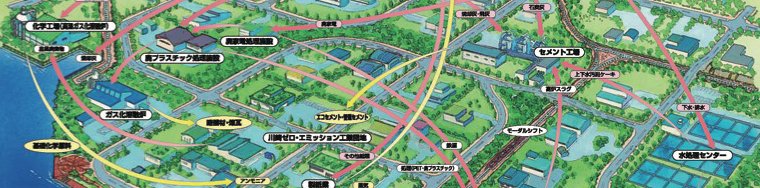
Environmentally-Sensitive Industrial Development: Policy Lessons Learnt from Ecotowns in Japan
Case Study Series E-138.
Analyses the ecotown model in Japan, which are urban industrial zones built with environmental governance, technology, waste and energy synergies etc, and draws policy lessons for environmentally sensitive industrial development.
|
Greening from Within: Corporate Environmental Strategies in Japan
Case Study Series E-075
Surveys how Japanese corporations internalize environmental objectives through organizational restructuring, cleaner technologies, stakeholder alignment, and integration of environmental management into core operations.

|
Japan as a "Repeater" Economy: Implications for Sustainability
Policy Analysis Series C-053.
Explores how business models that emphasise repeat consumption (loyalty programs etc.) can foster sustainability by reducing waste, stabilizing demand, encouraging durablity, and embedding eco-values into consumer habits.

|
Eco-Branding and Sustainable Business: Insights from Japanese Companies
Policy Tools Series E-235.
Examines how Japanese firms employ eco-branding strategies - inking environmental attributes with corporate identity and consumer messaging - to leverage sustainability as a market differentiator and growth criteria.
|
Stakeholders and the Sustainability Imperative:
The Case of Japan
Policy Analysis Series E-238.
This paper analyzes how nine external stakeholder groups influence and support business sustainability in Japan, highlighting their roles, actions, and partnerships that advance SDG 17 and national sustainability goals.
|
|
|
This is a continuing series of GDRC outputs under its Sustainable Business programme. More outputs are anticipated in the future. If you would like to see related issues to be addressed in future publications, please do get in touch with us at the email listed below!
|
