
GDRC Series on Climate Technologies and Sustainable Transformation
Framing Technologies, Ecosystems, and Climate Action
Climate change presents one of the most urgent and complex challenges of our time, impacting ecosystems, economies, and human well-being across the globe. To address these far-reaching risks - from extreme weather events and rising seas to food and water insecurity, biodiversity loss, and economic disruption - climate technologies have emerged as essential tools for both mitigation and adaptation. These innovative solutions span renewable energy, energy efficiency, carbon capture, sustainable agriculture, resilient infrastructure, and advanced monitoring systems, offering pathways to reduce greenhouse gas emissions, enhance resilience, and support sustainable development.

However, the development and deployment of climate technologies does not occur in isolation. Successful climate action depends not only on technological innovation but also on the ecosystems that nurture it. An effective climate technology ecosystem integrates governance, research and education, innovation finance, and broad-based adoption. It creates the enabling environment where ideas can be generated, tested, financed, and scaled - linking public direction, skilled talent, institutional capacity, and collaborative networks. Strengthening this ecosystem ensures that climate solutions move beyond pilot projects into widespread, real-world application.
Together, the documents explore both the technologies that address climate risks and the systems that support their development and use. By understanding climate technologies within their broader ecosystems, policymakers, practitioners, and communities can better align strategy, governance, and action toward a low-carbon, resilient future.
Key Takeaways
- Climate technologies are central to both mitigation and adaptation, addressing emissions reduction, resilience, and risk management
- Climate solutions span multiple sectors, including energy, industry, cities, land use, food systems, and infrastructure
- Effective climate action requires linking technological innovation with sustainable development and social co-benefits
- Technologies alone are insufficient without enabling policies, institutions, finance, and human capacity
- Climate technology ecosystems play a critical role in moving solutions from research and pilots to large-scale adoption
- Coordinated action across global, national, and local levels is essential for sustained and equitable impact

Highlights of
GDRC Research
|
|
Reducing Climate Risks: Prioritizing the Development of Climate Technologies
Policy Analysis Series C-027.
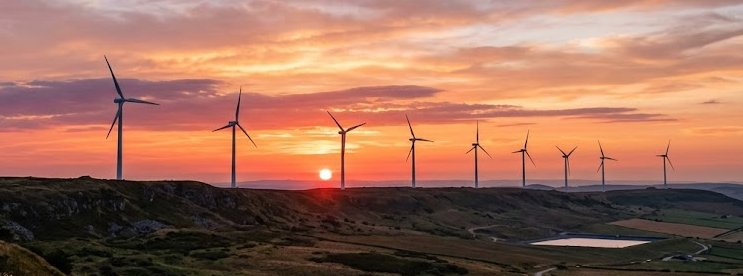
This paper explores the importance of prioritizing climate technologies and their potential to reduce climate risks, foster sustainable development, and create a more resilient future. It examines various climate risks, such as extreme weather events, rising sea levels, food and water insecurity, biodiversity loss, health impacts, economic disruptions, and displacement. Promoting climate technologies requires collaborative action from governments, businesses, universities, research institutions, and civil society.
|
The Third Leg of Climate Policy: Facilitating an Ecosystem for Climate Technologies
Policy Analysis Series E-249.
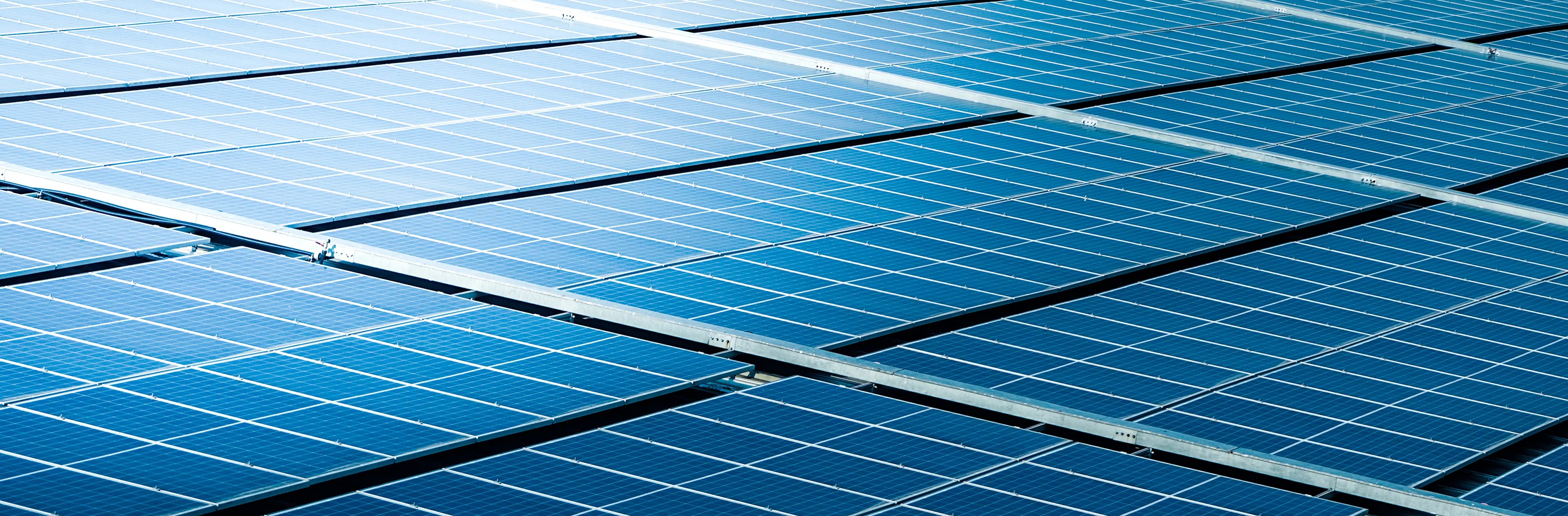
This paper positions technology as the third leg of climate policy and action, alongside governance and education. It argues that effective climate technologies require a supportive ecosystem that links clear public direction, strong research and skills, infrastructure, and adoption. By presenting a structured framework of twelve essential elements across governance, knowledge, innovation, and collaboration, the paper outlines how countries can cultivate environments where climate solutions can be developed and implemented.
|
|

This work by GDRC is licensed under a Creative Commons
Attribution-ShareAlike 4.0 International License. You are free to share and adapt this piece of work for your own purposes, as long as it is appropriately cited.
More info: http://creativecommons.org/licenses/by-sa/4.0/
CITATION TEXT
For recommended Citation Text, please see samples at the the bottom of each individual document in the series.
|
|
|