|
|
 |
Hari Srinivas |
|
Case Study Series E-024. June 2015.
|
Abstract:
Disasters and environmental systems are closely interconnected, with impacts and vulnerabilities shaped by both immediate events and underlying conditions. This document examines the environmental dimensions of disasters from two complementary perspectives: first, by analyzing the specific environmental impacts and contributing factors associated with different types of disasters, and second, by identifying the cross-cutting environmental drivers that influence disaster risk more broadly. By highlighting these relationships, the document underscores the importance of integrating environmental management into disaster risk reduction strategies. Strengthening natural systems, promoting sustainable land use, and addressing systemic environmental degradation are essential for reducing vulnerability, enhancing resilience, and supporting long-term sustainable development.
|
Keywords:
disasters, environmental impacts, disaster risk reduction, environmental drivers, ecosystem degradation, climate change, land use planning, resilience
|
Understanding the Environment-Disaster Nexus
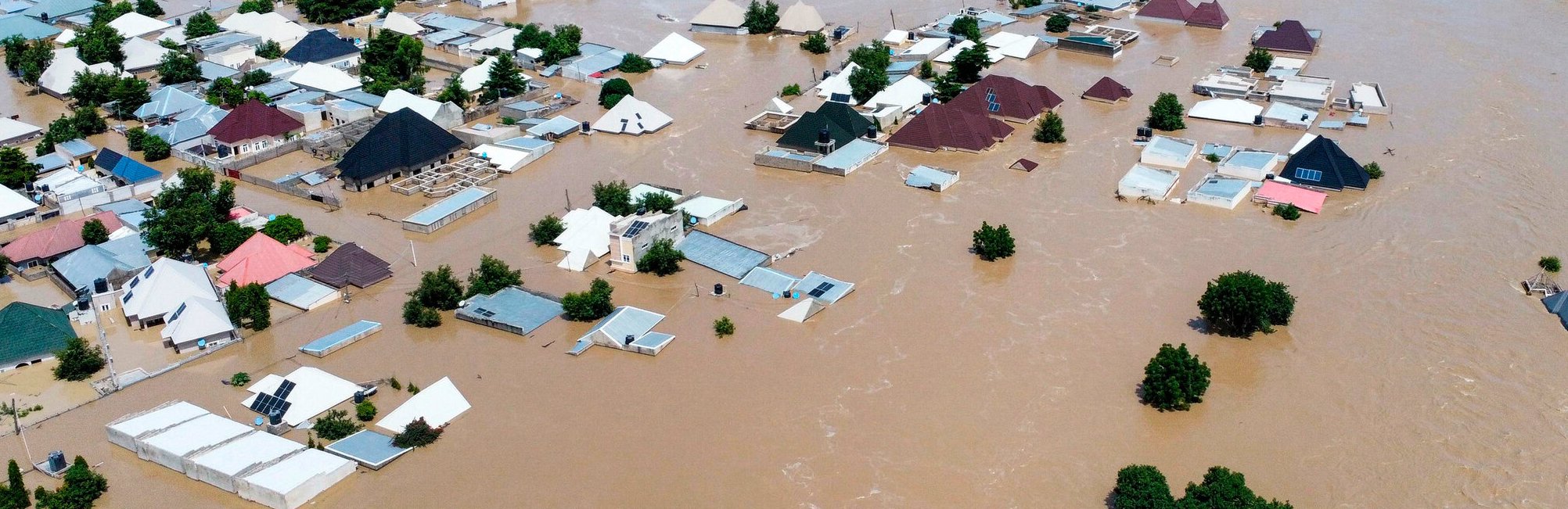
Disasters and environmental systems are deeply interconnected. Environmental conditions can intensify disasters, while disasters themselves can significantly degrade ecosystems. This creates a cyclical relationship, where poor environmental management increases disaster risk, and disasters further weaken environmental resilience.
Understanding these interlinkages is critical for a number of reasons in both the short term and long term: reducing disaster risks; designing effective mitigation strategies or supporting long-term recovery and sustainability
We need better understanding of these cyclical interrelationships between environmental management and disaster risk reduction, building on two key dimensions - (1) Environmental Impacts of Disasters: How disasters damage ecosystems, natural resources, and environmental quality, and (2) Environmental Factors that Exacerbate Disasters: How environmental degradation and mismanagement increase disaster severity.
Environmental Aspects by Disaster Type
Disasters affect the environment in different ways depending on their nature, scale, and context. At the same time, environmental conditions can significantly influence how these disasters unfold and the extent of their impacts. The table below provides an overview of major disaster types, highlighting both their environmental consequences and the key environmental factors that can intensify their effects. Together, these illustrate the dynamic and two-way relationship between disasters and environmental systems.
| Disaster Type |
Environmental Impacts |
Exacerbating Environmental Factors |
Additional Insights |
| Earthquakes |
- Release of hazardous substances from damaged industrial facilities
- Gas leaks and chemical spills
- Large volumes of mixed and hazardous debris
- Soil and groundwater contamination
|
- Unstable topography increasing landslide risks
- Dense and unregulated urban development
- Weak enforcement of land-use and building regulations
|
Often trigger secondary disasters such as fires, landslides, and toxic releases, amplifying environmental damage.
|
| Floods, Storms, Cyclones, Typhoons |
- Water contamination from sewage and industrial discharge
- Spread of hazardous debris and pollutants
- Soil erosion and loss of fertile land
- Salinization in coastal agricultural areas
- Damage to wetlands and coastal ecosystems
|
- Loss of mangroves and natural coastal buffers
- Deforestation increasing runoff and siltation
- Urban impermeable surfaces intensifying flooding
- Climate change increasing extreme weather events
|
These disasters affect the largest number of people globally and are strongly linked to environmental mismanagement.
|
| Forest Fires |
- Destruction of biodiversity and habitats
- Air pollution from smoke and particulates
- Loss of carbon sinks
- Soil degradation and reduced regeneration capacity
|
- Rising temperatures and prolonged dry periods
- Deforestation and monoculture plantations
- Poor land and forest management practices
|
While destructive, fires may contribute to long-term ecological regeneration under certain conditions.
|
| Droughts |
- Water scarcity affecting ecosystems and agriculture
- Land degradation and desertification
- Loss of vegetation and biodiversity
- Reduced groundwater recharge
|
- Over-extraction of water resources
- Unsustainable agricultural practices
- Increasing urban water demand
- Climate variability and long-term climate change
|
Slow-onset disaster with long-lasting and often underestimated environmental impacts.
|
| Landslides |
- Destruction of ecosystems and farmland
- Sedimentation of rivers and reservoirs
- Water contamination from displaced materials
- Alteration of landscapes and drainage systems
|
- Deforestation reducing slope stability
- Unsustainable land-use practices
- Infrastructure development in fragile areas
|
Often occur as secondary disasters triggered by rainfall, earthquakes, or human activity.
|
While the above analysis focuses on disaster-specific environmental impacts, it is equally important to understand the broader systemic drivers that shape disaster risk across contexts, as these underlying factors often determine the scale, frequency, and intensity of impacts.
Cross-Cutting Environmental Drivers of Disaster Risk
Beyond individual disaster events, a set of underlying environmental drivers plays a critical role in shaping overall disaster risk. These factors often operate across multiple scales and disaster types, influencing both the likelihood and severity of impacts. The table below outlines key cross-cutting environmental drivers, describing how they contribute to increasing vulnerability and amplifying disaster risks across different contexts.
| Environmental Driver |
Description |
Implications for Disaster Risk |
| Land Use and Land Cover Change |
- Expansion of urban areas into hazard-prone zones
- Loss of forests, wetlands, and natural landscapes
- Conversion of permeable land into built-up surfaces
|
- Increased exposure of populations and infrastructure
- Reduced natural absorption of water leading to flooding
- Higher vulnerability to landslides and erosion
|
| Climate Change |
- Rising global temperatures
- Changing rainfall patterns
- Increased frequency and intensity of extreme weather events
- Sea-level rise affecting coastal regions
|
- More intense storms, floods, and droughts
- Increased coastal flooding and storm surges
- Greater uncertainty in disaster prediction and planning
|
| Ecosystem Degradation |
- Loss of biodiversity and ecosystem services
- Degradation of forests, coral reefs, and wetlands
- Decline in natural protective functions
|
- Reduced buffering against disasters (e.g., flood control, erosion prevention)
- Lower resilience of both ecosystems and communities
- Faster and more severe environmental damage during disasters
|
| Pollution and Industrial Risks |
- Accumulation of hazardous chemicals and waste
- Industrial activities located near vulnerable areas
- Weak environmental monitoring and regulation
|
- Increased likelihood of toxic releases during disasters
- Compounded environmental and public health impacts
- Long-term contamination of soil and water systems
|
| Unsustainable Resource Consumption |
- Overuse of water, land, and energy resources
- Intensive agricultural and industrial practices
- Inefficient resource management systems
|
- Increased environmental stress and degradation
- Reduced system resilience to shocks
- Greater risk of cascading failures during disasters
|
These trends collectively contribute to environmental vulnerability, increasing both the likelihood and severity of disasters.
The relationship can be summarized as a reinforcing cycle as illustrated in Figure 1. The cyclical impacts show that environmental degradation increases vulnerability, which leads to disasters occurring with greater intensity. This worsens environmental damage after a disaster, hindering recovery processes and making it more difficult - further increasing risks in the long-term. This cycle underscores the importance of integrating environmental management into disaster risk reduction (DRR).
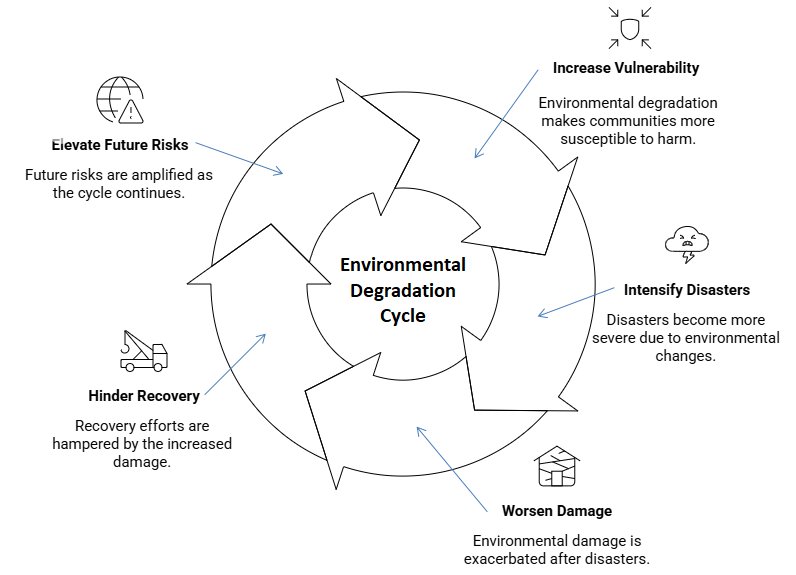 Figure 1: Environmental Degradation Cycle
Implications for Policy and Practice
Integrating Environment into DRR
- Environmental impact assessments in disaster planning
- Ecosystem-based disaster risk reduction (Eco-DRR)
Disaster Risk Reduction (DRR) strategies must explicitly incorporate environmental considerations at all stages, from risk assessment to recovery planning. This includes conducting environmental impact assessments for disaster-prone areas, integrating ecosystem-based approaches into national and local DRR frameworks, and aligning environmental policies with disaster management plans. By recognizing the protective functions of ecosystems, such as flood regulation and slope stabilization, policymakers can design interventions that reduce risk while enhancing long-term sustainability.
Strengthening Natural Buffers
- Mangrove restoration
- Watershed management
- Urban green infrastructure
Natural ecosystems such as mangroves, wetlands, forests, and coastal reefs act as critical buffers against disasters by absorbing shocks and reducing physical impacts. Strengthening these systems through restoration and conservation efforts can significantly reduce vulnerability to floods, storm surges, and landslides. Investments in nature-based solutions not only provide cost-effective protection but also generate co-benefits such as biodiversity conservation, carbon sequestration, and livelihood support for local communities.
Sustainable Land Use Planning
- Zoning regulations in hazard-prone areas
- Controlled urban expansion
Effective land use planning is essential to minimize exposure to hazards and prevent the creation of new risks. This involves enforcing zoning regulations that restrict development in high-risk areas such as floodplains, steep slopes, and coastal zones, while promoting safer urban expansion. Integrating hazard mapping, environmental sensitivity, and population dynamics into planning processes helps ensure that development decisions are both risk-informed and environmentally sustainable.
Disaster Waste Management
- Systems for handling hazardous debris
- Recycling and safe disposal mechanisms
Disasters often generate large volumes of debris, including hazardous materials that pose significant environmental and health risks if not properly managed. Establishing systems for disaster waste management before disasters occur is crucial. This includes planning for waste segregation, safe handling of toxic materials, recycling of debris, and environmentally sound disposal methods. Efficient waste management not only reduces secondary environmental impacts but also supports faster and safer recovery processes.
Multi-Stakeholder Approaches
- Collaboration between government, private sector, and communities
- Local knowledge integration
Addressing the complex relationship between disasters and the environment requires collaboration across multiple stakeholders, including government agencies, private sector actors, civil society, and local communities. Participatory approaches that incorporate local knowledge and community-based practices can enhance the effectiveness and acceptance of interventions. At the same time, partnerships across sectors and governance levels help mobilize resources, improve coordination, and ensure that environmental and disaster management goals are aligned.
Disasters are not purely natural events. They are shaped by environmental conditions, human activities, and development patterns. Effective disaster risk reduction requires moving beyond response and recovery toward proactive environmental management.
By addressing environmental degradation, societies can reduce disaster risks and enhance resilience, while aiming for and promoting sustainable development in the long-run.
ANNEX: Examples of the Interrelationships between Disasters and the Environment
Ecosystem Buffer Case
During the 1999 Odisha Cyclone, coastal areas with intact mangrove forests experienced significantly lower levels of damage compared to areas where mangroves had been degraded or removed. Mangroves acted as natural barriers, reducing wind speed, wave energy, and storm surge impacts. In the years since, restoration efforts have demonstrated that strengthening natural ecosystems can be a highly effective and low-cost strategy for disaster risk reduction, while also supporting biodiversity and local livelihoods.
|
Industrial and Urban Risk Case
The Great Hanshin Earthquake revealed how environmental risks can be compounded by industrial concentration. Damage to port facilities, chemical storage areas, and urban infrastructure led to fires, hazardous material releases, and widespread debris. The disaster highlighted the importance of integrating environmental safety into urban planning and disaster preparedness, particularly in densely built industrial and coastal cities.
|
Land Use and Degradation Case
In the Vargas Tragedy, intense rainfall triggered massive landslides and floods along the coastal mountains. Extensive deforestation and unregulated hillside development had destabilized slopes, significantly increasing vulnerability. The disaster underscored how environmental degradation, particularly loss of vegetation cover, can transform natural hazards into large-scale human and environmental crises.
|
|


